Table of Contents
A pool heater that takes longer to warm the water or shuts down halfway through a cycle can disrupt plans for a swim. These changes can be difficult to interpret, especially when the equipment has been unused for several months.
Regular heater maintenance helps identify developing problems and check that the system is operating as intended. Alongside routine pool care, professional servicing addresses the water conditions, circulation, and components that heating depends on. This guide explains what maintenance involves, when to schedule it, and what to watch for between appointments.
How Often Should a Pool Heater Be Maintained?
A pool heater should generally receive professional maintenance once a year, following the manufacturer’s recommended schedule. Heavily used equipment or heaters with recurring problems may need attention more frequently.
For DFW homeowners who heat their pools or spas during cooler months, schedule maintenance before regular autumn use begins. If the heater develops warning messages, repeated shutdowns, or reduced heating performance, arrange an assessment rather than waiting for the next annual appointment.
Pool Heater Maintenance Checklist
A complete maintenance approach considers the heater, its surroundings, and the connected pool system. Use this checklist to see what pool heater maintenance involves, what to watch for between visits, and which checks a qualified technician should handle.
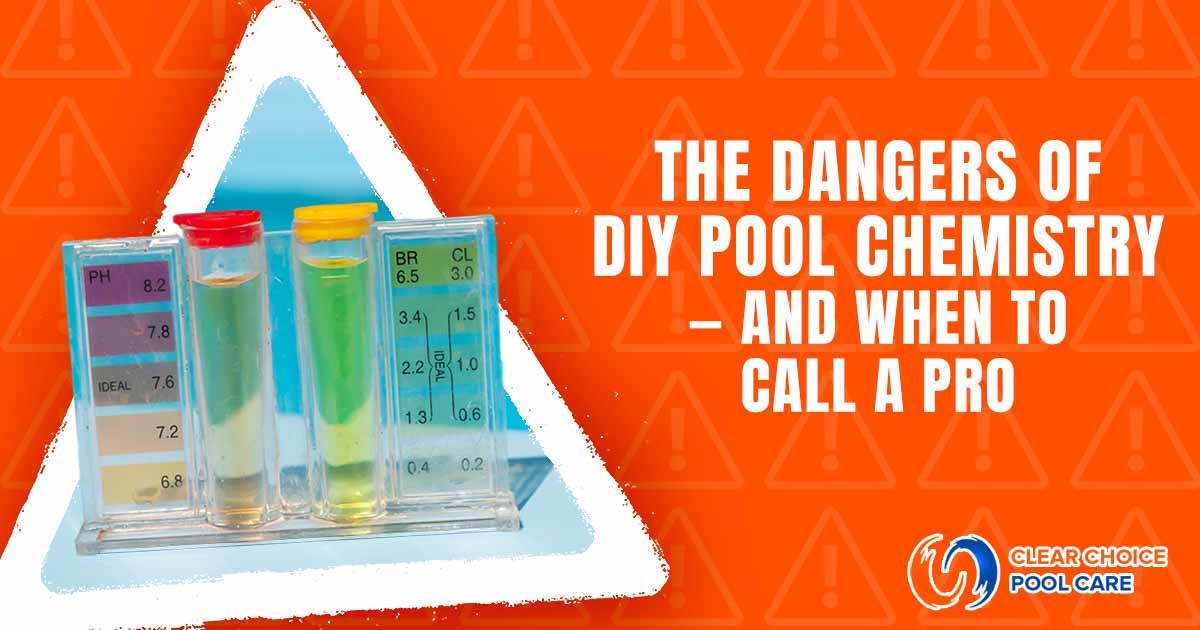
Maintain Water Chemistry
Water passes through heating components, making its condition relevant to equipment care. Unsuitable chemistry can contribute to corrosion or mineral buildup, particularly within a heat exchanger.
Regular testing and appropriate adjustments help maintain the conditions specified for the heater. Treatment should follow actual readings and product instructions rather than a fixed dose.
Clear Choice Pool Care’s weekly pool maintenance includes water testing, chemical balancing, cleaning, and equipment monitoring. This supports heater care but does not replace a dedicated heater service appointment.
Keep the Surrounding Area Clear
Leaves, vegetation, and stored items can interfere with the space a heater needs around it. Maintain the clearances required by the equipment manufacturer and keep accessible surroundings free of loose debris.
Do not obstruct vents or place an improvised cover over operating equipment. If debris has entered the unit, arrange professional attention rather than reaching inside. A technician can determine whether internal cleaning is necessary and carry it out using the appropriate procedure.
Check Water Circulation
Heating equipment depends on suitable water flow. Full baskets, filter restrictions, pump problems, or incorrect operating configurations can affect performance.
During servicing, the technician can assess circulation and determine whether the concern involves the heater or connected equipment. A problem may require pool pump repair rather than replacement of a heater component. Homeowners can report reduced flow or unusual pump sounds without having to identify the cause.
Assess Filter Condition
Filter maintenance should follow the installed equipment’s instructions and operating condition. Backwashing is not appropriate for every filter, and pressure readings need to be interpreted against the system’s normal operation.
Maintaining suitable filtration helps support the circulation conditions the heater requires. If routine maintenance does not resolve an operating concern, pool filter repair or replacement may need assessment.
Review Temperature Settings and Controls
A heater’s response should match its selected operating mode and temperature settings. Unexpected behavior may involve sensors, scheduling, or connected controls. Tell the technician whether the problem occurs during pool heating, spa heating, or both. Photos of recurring messages can help document an intermittent concern.
Problems involving pool timers and controls should be assessed rather than worked around through repeated resets or unfamiliar setting changes.
What Happens During Professional Heater Servicing?
Professional maintenance follows the heater type, manufacturer requirements, and equipment condition. It may include:
- Reviewing symptoms and previous service work.
- Checking water flow through the system.
- Assessing startup and heating operation.
- Testing relevant sensors and controls.
- Inspecting heating components.
- Examining connections and protective devices.
- Identifying cleaning or repair needs.
A service appointment should establish how the heater is operating and whether additional work is required. It does not mean every component needs replacing or that every fault can be resolved during the same visit.
Clear Choice Pool Care provides pool equipment repair services when an assessment identifies concerns requiring further attention.
Maintenance Differences Between Gas Heaters and Heat Pumps
Gas heaters and electric heat pumps require different internal checks. A single checklist cannot prescribe every procedure for both.
Gas Pool Heaters
Depending on the model and service requirements, a qualified technician may assess ignition, combustion, venting, gas supply conditions, and related safety controls.
Homeowners should not adjust gas components, dismantle burners, or attempt internal heat exchanger cleaning. Sharing startup symptoms and warning messages provides useful information without opening the equipment.
Electric Heat Pumps
Heat pump servicing considers airflow, temperature response, controls, and refrigeration related operation. Some frost may occur under particular conditions, but persistent ice or repeated interruptions warrant assessment. Refrigerant testing and internal electrical work require appropriately qualified professionals.
Keeping the surrounding area clear is helpful; attempting to diagnose or repair internal components is a separate matter.
Plan Heater Maintenance Around DFW Seasons
Seasonal planning helps arrange servicing before the heater is needed and keeps equipment concerns from remaining unresolved.
Spring
Review how the heater performed during cooler weather. Report recurring warnings, shutdowns, or visible deterioration before they are forgotten. If freezing conditions may have affected equipment, arrange an assessment before restarting a system that appears damaged.
Summer
Continue water chemistry care even when heating is rarely used. Keep vegetation and stored items away from the equipment, and report visible changes around the unit. If heated spa use continues, maintenance should reflect that activity rather than assume the heater is inactive.
Autumn
Arrange professional servicing before frequent pool or spa heating begins. Allow time for diagnostics, parts availability, and approved repairs rather than booking immediately before a gathering.
Winter
Follow equipment specific operating and freeze preparation instructions. Draining a heater or covering a unit is not a universal procedure for every operational pool.
The guide to winter pool maintenance in North Texas explains the broader responsibilities during colder months. Freeze protection depends on working equipment and electricity and cannot guarantee protection during prolonged cold or an outage.
Signs Maintenance Needs Further Investigation
Routine servicing may uncover a fault, but homeowners should also report changes between appointments.
Professional assessment is appropriate when the heater:
- Repeatedly fails to start.
- Stops before reaching the selected temperature.
- Takes noticeably longer to heat under similar conditions.
- Displays recurring warnings.
- Develops unfamiliar noises.
- Shows visible corrosion or deterioration.
- Has persistent ice affecting heat pump operation.
These symptoms do not establish which component has failed. Outdoor conditions, circulation, controls, and heating components can all affect performance.
Avoid repeatedly resetting a malfunctioning unit. Explain what happens and let the technician determine the next step.
Does Heater Maintenance Replace Repairs?
Maintenance supports normal operation through inspection, appropriate cleaning, and operating checks. Repairs address an identified malfunction or damaged component.
The two can be connected: servicing may reveal a concern that needs further diagnostics before a repair recommendation can be made. Comprehensive diagnostics and repairs are billed professional services, separate from routine weekly pool care.
Clear Choice Pool Care’s noncommissioned technicians explain findings and recommendations based on equipment condition. Homeowners receive information about proposed work before deciding whether to approve it.
Schedule Pool Heater Maintenance in DFW
Clear Choice Pool Care assists residential gunite and plaster pool owners with heater servicing and equipment concerns, including homeowners in Argyle and Flower Mound.
Call (469) 451-0222 or contact the team to discuss maintenance needs and request a personalized quote. Dispatch is complimentary, while detailed troubleshooting and diagnostics are billed with the scope explained before work begins.