Table of Contents
Winter pool preparation mistakes can leave equipment exposed to freezing water, interrupt circulation, or create water quality problems. Common errors include draining components without an appropriate shutdown plan, changing unfamiliar controls, and assuming a cover replaces maintenance.
For North Texas homeowners, preparation should begin with deciding how the pool will operate through winter. A pool that remains running needs a different approach from one undergoing a seasonal shutdown. The goal is to follow a plan suited to your pool rather than complete every task on a general winterization checklist.
Assuming Every Pool Needs the Same Winter Shutdown
Instructions to remove baskets, disconnect equipment, and plug plumbing lines may apply to a particular closing procedure. They should not automatically be followed for a pool that will remain operational.
Removing components needed for circulation can interfere with the system you intend to keep running. Likewise, leaving everything switched off without appropriate preparation can expose water inside equipment to freezing.
Before making changes, establish whether your pool will stay operational or undergo a professional shutdown. Ask how that decision affects circulation, water treatment, and equipment protection.
Our guide to winter pool maintenance in North Texas explains the continuing responsibilities for pools kept operational during colder months.
Adding Chemicals Without Testing First
A winter checklist should not prescribe the same chemical dose for every pool. Treatment depends on current readings, water volume, pool requirements, and the concentration of the product being used.
Adding shock or algaecide simply because winter is approaching can leave you treating a condition that has not been established. A cover also does not make unsuitable chemistry harmless.
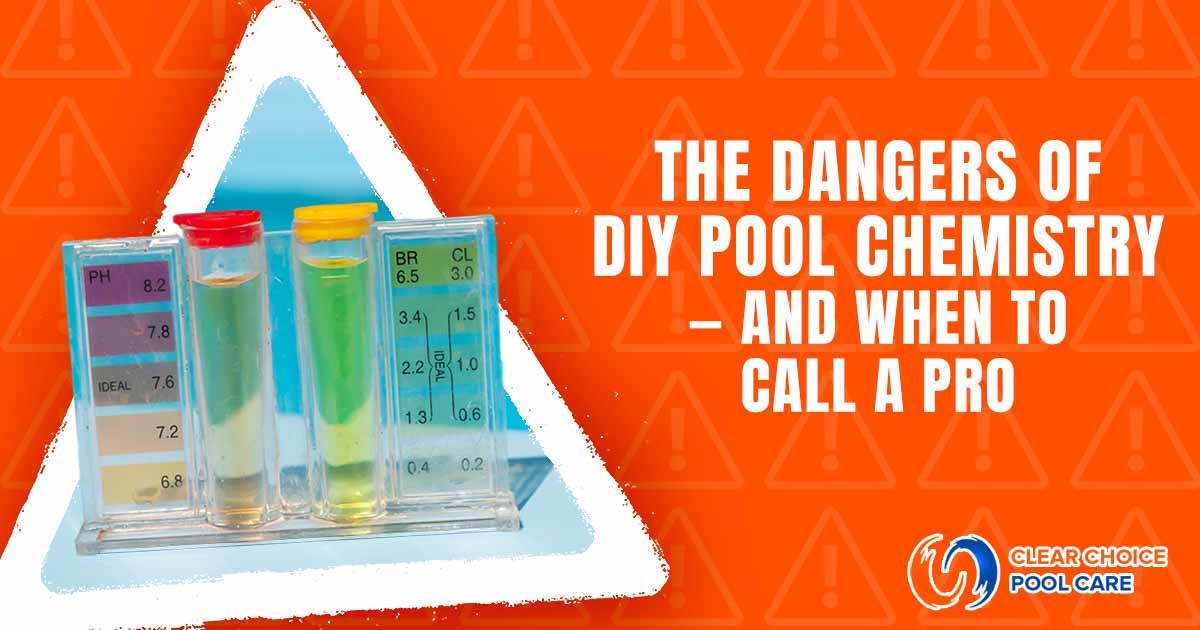
Have the water tested and use the results to guide adjustments. Follow product instructions for application, compatibility, and the timing of different treatments.
If you are unsure what a reading means, ask your technician before adding more chemicals. Explaining what has already been added helps the team assess the water without guessing.
Lowering the Water Without Considering the Operating Plan
Lowering the water below the skimmer is not a universal winter preparation step. A pool that remains operational needs an appropriate water level for its circulation system.
Before removing water, consider whether the pump will continue running, what the cover requires, and which winter preparation procedure applies. Those decisions need to work together.
Do not empty the swimming pool as a routine freeze precaution. Draining the pool itself is different from draining a pump or another equipment component.
If the water level is already changing unexpectedly, report that observation rather than making further adjustments to compensate without understanding the cause.
Draining Equipment or Moving Valves Without Instructions
Pumps, filters, heaters, and plumbing have different shutdown requirements. Removing drain plugs or changing valve positions without understanding the system can leave equipment incorrectly configured.
For example, a component that has been drained should not simply be restarted because the afternoon becomes warmer. The system may need reassembly and checks before operation.
Request instructions specific to your equipment before attempting a shutdown. Ask which tasks require professional assistance and what must happen before the system is used again.
Clear Choice Pool Care provides pool equipment repairs when operating problems need assessment. Describe any preparation steps already taken so the technician knows the current configuration.
Overlooking Separate Circuits and Water Features
The main pool pump may not serve every part of your backyard system. A spa, fountain, waterfall, or deck jet can involve separate plumbing or equipment.
Assuming that one running pump protects every line can leave parts of the system unaccounted for. Similarly, enabling a controller setting does not confirm that every relevant circuit has been included.
Ask your pool professional to identify which components respond to freeze protection and which need another approach. If you have pool automation, request an explanation of the configured circuits.
Freeze protection depends on functioning equipment and electricity. Have a separate plan for a power outage rather than relying entirely on automatic operation.
Leaving Debris Until the Pool Is Covered
Putting a cover over leaves and settled material does not remove the cleaning work. Debris remains in the water, while full baskets can interfere with circulation if equipment continues operating.
Before covering the pool, remove floating debris, brush appropriate surfaces, and arrange cleaning of the pool floor where needed. Continue checking conditions afterward according to the pool’s operating plan.
Clear Choice’s weekly pool service includes cleaning, water chemistry care, and equipment monitoring. Tell the team if you plan to install a cover so access arrangements can be discussed.
Also secure loose toys and outdoor items. Have potentially hazardous branches assessed by a qualified tree professional rather than attempting difficult cutting work over the pool.
Securing a Cover Too Tightly or With Improvised Weights
“As tight as possible” is not a reliable installation rule. Covers differ in their attachment methods, required tension, and ability to accommodate changing conditions.
Follow the instructions for the specific cover. Avoid using bricks, blocks, or other improvised weights unless the manufacturer expressly specifies them.
A cover intended to reduce debris or heat loss is not necessarily a safety cover. Do not assume it can support a person or protect the pool against falling branches.
After installation, manage accumulated debris and water as directed. An incorrectly fitted or neglected cover can create additional problems instead of simplifying winter care.
Waiting Until After a Freeze to Investigate Existing Faults
A pump that repeatedly stops or a heater that displays recurring warnings deserves attention before severe weather. Winter preparation should include resolving known operating concerns, not just changing seasonal settings.
If a heater struggles to start or complete a heating cycle, arrange an assessment. Clear Choice offers pool heater repair in Flower Mound for homeowners experiencing these problems.
Visible damage to a filter housing also needs professional attention. Discuss pool filter repair or replacement rather than attempting to patch a component that operates under pressure.
Our guide to the best time to schedule pool equipment repairs explains when to request an assessment and how to plan work around seasonal use.
You do not need to identify the fault yourself. Share the symptoms, any displayed message, and whether operation has changed. Detailed diagnostics and repairs are billed separately from routine maintenance.
Get Help With Winter Pool Equipment Concerns in DFW
Clear Choice Pool Care works with residential gunite and plaster pools throughout its DFW service area. Before changing your pool’s winter operation, discuss existing equipment concerns and ask what preparation applies to your setup.
Call (469) 451-0222 or contact our team to explain your needs and request a personalized quote.